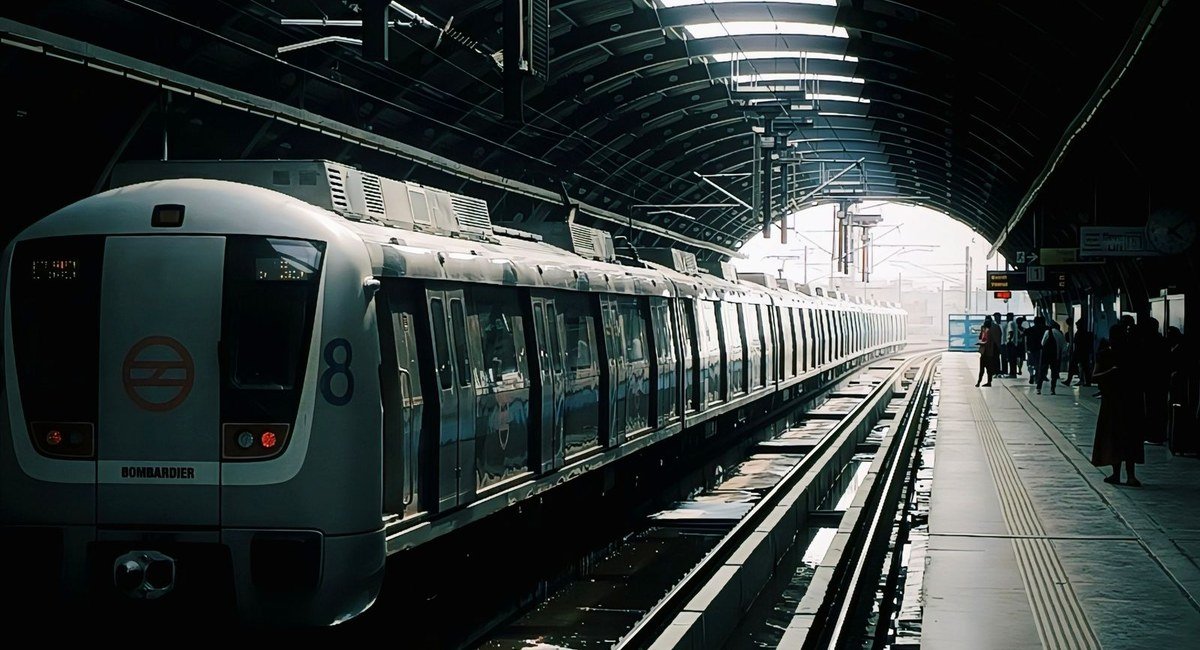
Explore 800+ Real Estate Projects in Bangalore
Discover newly launched apartments, villas, plots, and premium properties across Sarjapur Road and nearby locations.
Every project brochure on Sarjapur Road mentions the metro. Every sales pitch has a line about how the Red Line will change everything. The metro is the single most sold promise on this corridor, and it is also the one furthest from being built.
This is the honest timeline. It is built from the state cabinet decision, the revised project report, the Parliament reply, and the work that has actually started on the ground. No brochure claims. No dates that were never announced.
The short version is this. The Karnataka government approved the line in December 2024. The project report was revised and sent back to the Centre in April 2026. The Centre has not cleared it yet, and it has given no date for doing so. Soil testing started in October 2026. No construction has started. The realistic opening is April 2033 at the earliest, and that date assumes the Centre clears the project soon.
The Red Line at a glance
| Detail | What it is |
|---|---|
| Line | Red Line, Namma Metro Phase 3A |
| Route | Hebbal to Sarjapur |
| Length | 37.8 km |
| Stations | 26 (revised plan) |
| Elevated vs underground | 23.52 km elevated | 14.3 km underground |
| Cost | Rs 25,999 crore (revised) |
| Trains | 35 |
| Status | State approved | Union Cabinet approval pending |
| Work started | Soil testing only, from October 2026 |
| Target opening | April 2033 (project report target, not a confirmed date) |
The line runs from Hebbal in the north, through Mekhri Circle, Corporation Circle, Dairy Circle and Koramangala, then HSR Layout and Carmelaram, and ends at Sarjapur in the south east. That is the whole point of it for Sarjapur Road. It connects the corridor to the Outer Ring Road, to Electronic City through the Yellow Line interchange, and to the north of the city in one ride.
The timeline so far
6 December 2024. The Karnataka Cabinet approves Phase 3A, the Hebbal to Sarjapur Red Line. The original project report puts the line at 36.59 km with 28 stations and a cost of Rs 28,405 crore. The report goes to the Government of India for statutory approval.
13 February 2026. BMRCL awards a Rs 1.6 crore geotechnical investigation contract for the Sarjapur to Carmelaram stretch to Becquerel Industries. This is the first on-ground work tied to the line, and it is survey work, not construction.
February 2026. BMRCL submits a revised project report to the Centre. The cost comes down to Rs 25,999 crore. The line grows slightly to 37.8 km, with 160 metres less underground than before. Two stations are removed, Veterinary College and Kodati Gate, and one is added, Sarjapur Terminal. The station count becomes 26 and the train requirement rises from 30 to 35.
April 2026. The revised report reaches the Centre. The project is now waiting on Union Cabinet clearance.
August 2026. The Ministry of Housing and Urban Affairs tells Parliament in a written reply that the project is undergoing technical and financial scrutiny. The ministry says it cannot give a fixed deadline for completing the clearance process. Under the Metro Rail Policy of 2017, a project of this size must pass a full assessment of its economic viability before approval.
October 2026. BMRCL begins preliminary soil testing along Sarjapur Road. The geotechnical investigation checks soil and bedrock along the proposed route before any construction can begin. News reports of the testing appear on 15 and 16 October 2026.
November 2026. The project is still awaiting Union Cabinet approval. No construction tender has been awarded. No financial closure has happened. No foundation stone has been laid.
What has actually started
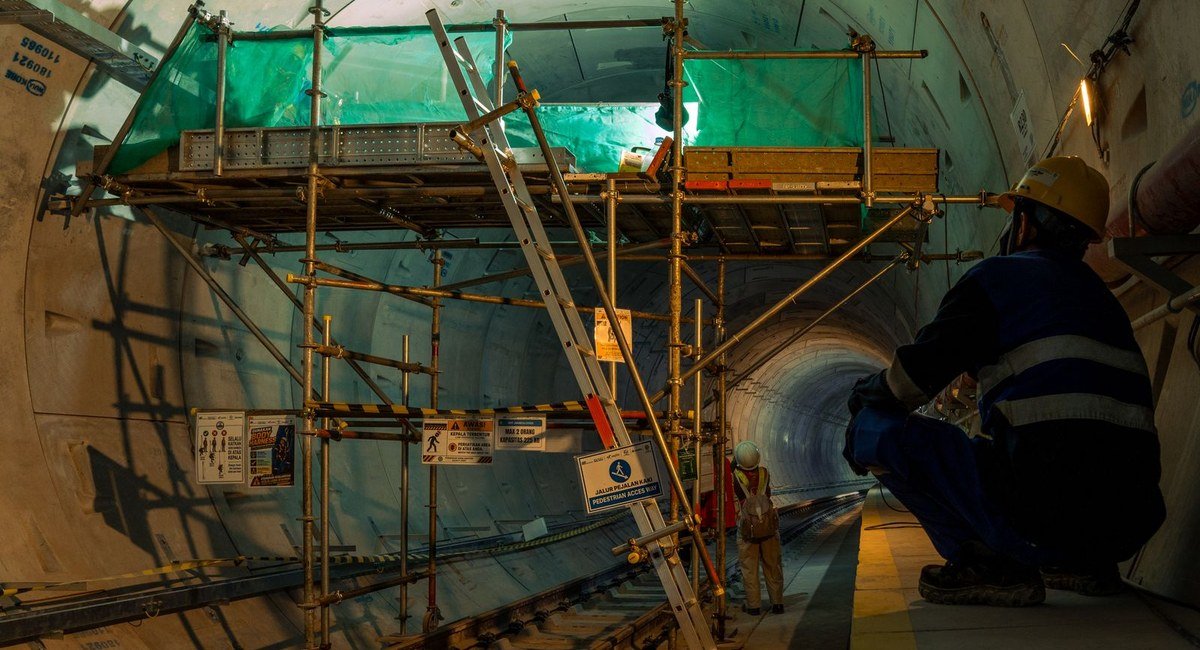
Only one thing has started on the ground, and it is the smallest step in the whole process.
- Soil testing. Geotechnical investigation along Sarjapur Road, including the Sarjapur to Carmelaram stretch. This tells engineers what the ground can hold. It does not build anything.
- Paperwork. The state approval, the revised project report, and the submission to the Centre are all done. These are necessary, and they took almost two years.
What has not started
- Union Cabinet approval. The single biggest gate. The Centre holds a 50 percent equity stake in Namma Metro, so its clearance is not a formality.
- Financial closure. No loan agreement has been signed for this line. For comparison, Phase 3 reached financial closure in March 2026 with a Rs 6,775 crore JICA loan, and even there civil work has not started.
- Tenders. No civil work tender has been awarded for the Red Line.
- Construction. Nothing has been built. No pillars, no viaduct, no station work.
- Land acquisition. No public record of completed land acquisition for the corridor.
That is the honest position. One survey step is done. Every step that actually builds a metro is still ahead.
Why the Centre has not cleared it yet
Three reasons keep coming up in the official record, and none of them is a mystery.
The cost is very large. Rs 25,999 crore is the revised figure after BMRCL cut it from Rs 28,405 crore. A project of this size must pass a full economic viability assessment under the Metro Rail Policy of 2017. The ministry told Parliament in August 2026 that the project was still undergoing that scrutiny.
A large share runs underground. 14.3 km of the 37.8 km line is underground. Underground construction is the most expensive and slowest part of any metro, and it is where cost estimates move the most. The revised report cut 160 metres of underground running, which tells you the underground share was a live issue in the cost review.
The Centre and the state are still discussing the money. The Centre holds half the equity in Namma Metro. The cost, the underground share, and the funding pattern are all being discussed between the two governments. The ministry has not given a date for a decision, and it has said plainly that no fixed deadline can be given.
None of this means the line will not happen. It means the approval is a real gate with real conditions, not a rubber stamp, and the timeline depends on it.
Three dates you will hear, and what each one really means
End of 2030. This is the date some property portals quote for the line becoming operational. It is not in the project report. It assumes the Centre clears the project immediately, tenders move fast, and five years of construction run without delay. There is no official document behind it. Treat it as marketing.
April 2033. This is the target in the revised project report itself. It is the official estimate, and it already assumes the Centre clears the project and construction starts soon. It is a target, not a confirmed opening date, because the Union Cabinet has not approved the project yet. This is the date to use in your own planning, and even it has risk.
2038. This is the planned opening shown on the Red Line Wikipedia page, marked as to be confirmed. It reflects the view that a line this size, with this much underground work and no approval yet, will take longer than the report target. It is not an official date either, but it is the most cautious public estimate.
The gap between these three dates is eight years. That gap is the whole story. Anyone selling you a flat on the promise of the metro should be able to tell you which date they are using and why. Most cannot.
What the metro will change when it comes
When the Red Line does open, it changes Sarjapur Road in a real way. The corridor today has no metro at all. The nearest metro is the Yellow Line, which opened on 10 August 2025 with 16 stations, and the Blue Line on the Outer Ring Road, which is still under construction.
The Red Line will connect Sarjapur to Hebbal in one line, passing through Koramangala, HSR Layout and Carmelaram. For a buyer, that means a direct ride to the Outer Ring Road tech belt, to Electronic City through the Yellow Line interchange, and to the north of the city without a car. For a landlord, it means a much larger tenant pool, because the line serves the IT workforce that already rents on this corridor.
The stations that matter most for Sarjapur Road buyers are the ones on the corridor itself, Sarjapur Terminal at the south end and Carmelaram on the way in. Property within walking distance of a metro station has historically carried a premium in Bangalore, and that premium is real once the line is running. The problem is only the timing. The premium is being charged today for a line that will not run for seven years at best.
What it means for property prices
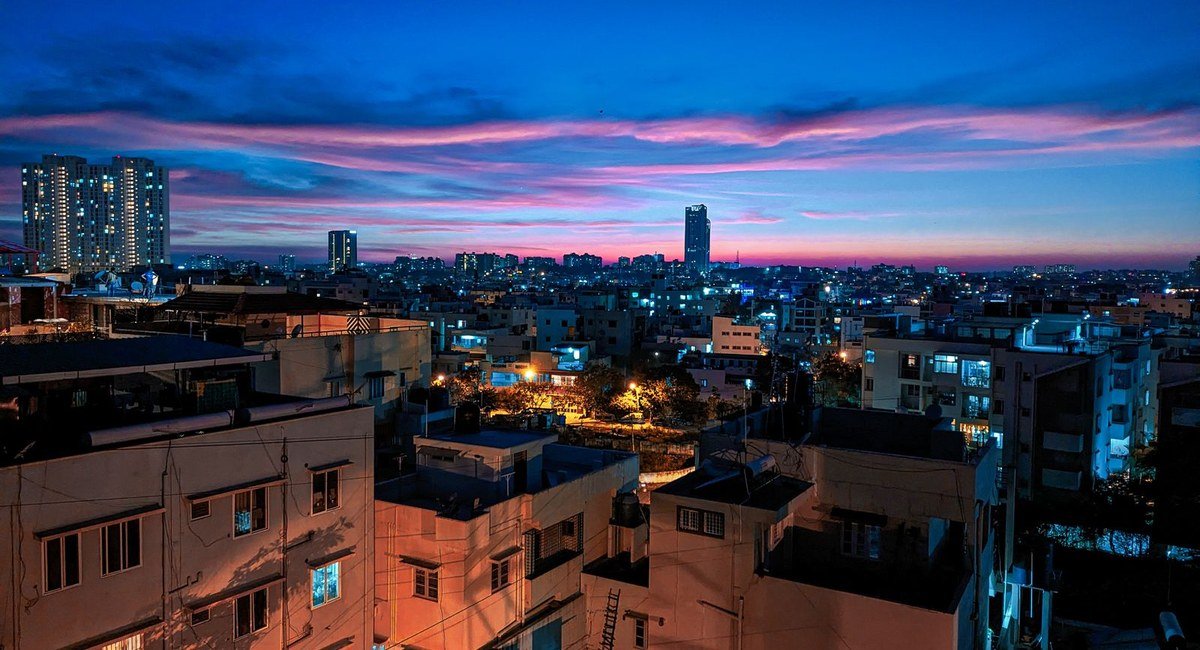
Here is the uncomfortable part. The metro premium is already in the price.
Sarjapur Road flats average about Rs 11,000 to Rs 13,100 per sq ft in November 2026. Prices rose about 15.7 percent in the last year, 84 percent in three years, and 185 to 189 percent in ten years. That rise happened with no metro on the corridor at all. It was driven by IT expansion, new launches, and the corridor becoming the default choice for buyers priced out of the Outer Ring Road.
So the metro is not the reason prices rose. It is the reason sellers say prices will keep rising. That is a different claim, and it is worth testing.
- If the line opens in 2033, the buyers who paid a metro premium in 2026 will have waited seven years for the benefit, while paying the full price from day one.
- If the line slips to 2038, the wait is twelve years, and the premium was paid for a benefit that arrived after most of the appreciation had already happened for other reasons.
- If the line is delayed further or reworked, the premium was paid for nothing, and the price will have to stand on the corridor’s own merits, which are strong but not metro dependent.
The practical point is simple. Buy on Sarjapur Road because the corridor works today, the schools, the offices, the roads, the rental demand. Do not buy only because a metro is coming. The metro is a bonus that will arrive late, not a reason to pay more today.
The lines that matter more right now
While the Red Line waits for approval, two other lines affect Sarjapur Road buyers today, and one road project matters more than either.
Yellow Line. Opened on 10 August 2025 with 16 stations, it connects Electronic City to the rest of the network. It is the nearest working metro to Sarjapur Road, and it is the line a Sarjapur resident will actually use first, by road to a Yellow Line station.
Blue Line. The Outer Ring Road line, under construction. The Ibbaluru and Bellandur stretches slipped to December 2026, with a phased opening expected between March and June 2027. When it opens, it puts the ORR tech belt on the metro, which helps Sarjapur Road because so many of its residents work there.
Satellite Town Ring Road. Full completion is expected around 2030. It matters because it takes through traffic off Sarjapur Road and connects the corridor to the airport side of the city. For a buyer, the STRR is a more certain near-term improvement than the Red Line, because it is already being built.
If you are weighing a purchase today, ask the seller about the Yellow Line station you will actually use and the STRR, not only about the Red Line.
Checklist before you buy on a metro promise
- Ask for the station name and its exact location, not just the line name. A station two kilometres away is not a metro benefit.
- Ask which date the seller is using, 2030, 2033 or 2038, and ask them to show the source.
- Check the Union Cabinet approval status yourself. Until it is cleared, there is no construction timeline.
- Check whether the project has financial closure. No loan agreement means no start date.
- Check whether civil tenders have been awarded. Soil testing is not construction.
- Work out the price without the metro. If the flat only makes sense with a metro, it is overpriced today.
- Compare the price with a ready home nearby. Ready homes on Sarjapur Road average about Rs 10,500 per sq ft, while under-construction homes average about Rs 8,800. The gap tells you what the wait is worth.
- Check the rental yield on the corridor. A 2 BHK rents for about Rs 18,000 to Rs 32,000 a month, and a 3 BHK averages about Rs 62,750. The rent pays you while you wait for the metro.
- Read the RERA record for the specific project, not the brochure. The RERA number, the possession date, and the approvals are what protect you.
- Assume the metro will be late. Buy the flat for what it is today, and treat the metro as a bonus when it arrives.
Frequently asked questions
When will the Sarjapur metro Red Line open?
The revised project report targets April 2033. That date assumes Union Cabinet approval comes soon and construction starts on time. The Union Cabinet has not approved the project yet, and the ministry has given no date for a decision, so 2033 is a target, not a promise.
Has construction of the Red Line started?
No. Only geotechnical soil testing has started, from October 2026. No civil tender has been awarded, no financial closure has happened, and no construction work has begun.
How long is the Red Line and how many stations will it have?
37.8 km with 26 stations in the revised plan, running from Hebbal to Sarjapur. 23.52 km is elevated and 14.3 km is underground. The line will have 35 trains.
What is the cost of the Red Line?
Rs 25,999 crore in the revised project report, down from Rs 28,405 crore in the original report. The cost was revised in February 2026 when the report was resubmitted to the Centre.
Will the metro raise property prices on Sarjapur Road?
Prices have already risen 185 percent in ten years with no metro on the corridor, so the metro premium is largely already in the price. The metro will help when it opens, but buying only for the metro means paying today for a benefit that arrives in seven years at best.
Which metro can Sarjapur Road residents use today?
The Yellow Line, which opened on 10 August 2025 with 16 stations and connects Electronic City to the network. The Blue Line on the Outer Ring Road is expected to open in phases between March and June 2027.
The shortlist
The Red Line is real, it is approved by the state, and it will change Sarjapur Road when it opens. But the honest timeline is April 2033 at the earliest, and only if the Centre clears it soon. Soil testing is the only work that has started. Everything that builds a metro is still ahead.
Buy on this corridor for what it offers today. Use our gated plots guide and our Rs 3 to 4 crore villa list to compare what your money buys now, and read our under Rs 1 crore list if your budget is tighter. The metro will be a bonus when it arrives. It should not be the reason you buy.